

This project develops an AI-based system for safe autonomous drone takeoff and landing using computer vision. The system identifies safe landing zones—either marked with visual codes or detected dynamically in unmarked environments, such as during emergencies. Through advanced object detection and scene segmentation, the AI analyzes the surroundings to avoid obstacles like people, vehicles, trees, or power lines, ensuring both operational safety and hardware integrity.
The final integrated software will allow real-time decision-making directly on the drone or via a connected server, combining vision-based perception with intelligent risk assessment.
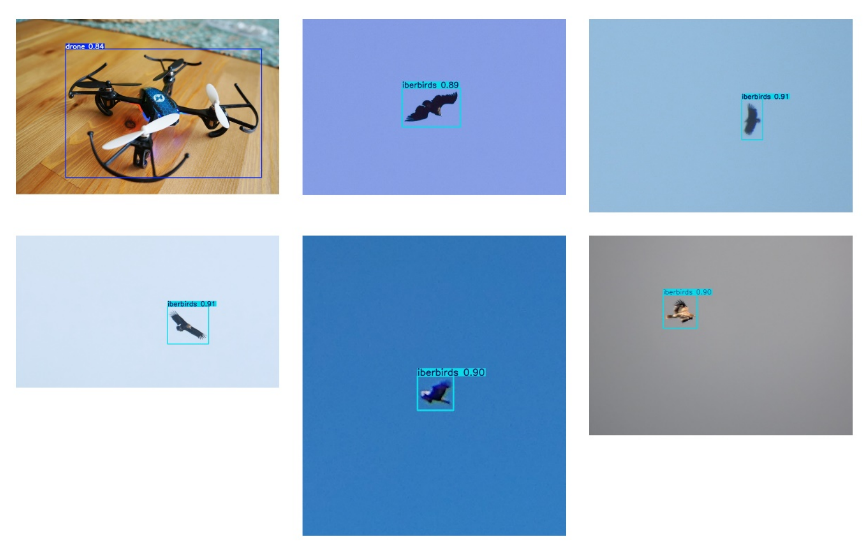
Ayuntamiento de Alcoy: Detección de zonas de aterrizaje.

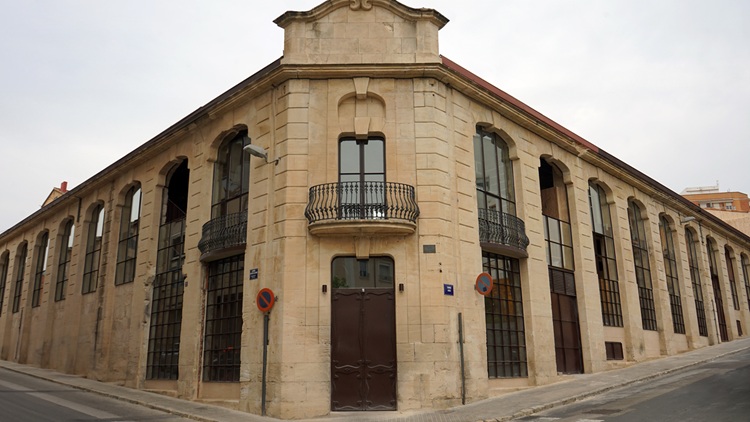
Consultoría para el análisis del punto de partida, definición de casos de uso y redacción del documento de especificaciones técnicas del Gemelo Digital Rodes
The Rodes Digital Twin project is designed as a tool for monitoring and simulating scenarios in the technology park, enabling data-driven management, energy efficiency, and improved user comfort and safety. The project constitutes the technical and administrative proposal for the consulting services contract aimed at analyzing the starting point, defining use cases, and drafting the technical specifications document for the Rodes Digital Twin.

Meebai: Una metodología para la educación consciente de las emociones basada en la inteligencia artificial
The overall objective of this project is to advance the transition towards “intelligent” learning in order to optimize teaching, not only distance learning but also face-to-face and hybrid learning.

CENID: Analysis of perceived urban safety in the neighborhoods of Alicante
The project aims to identify the key factors influencing the perception of urban safety in selected neighborhoods of Alicante by analyzing elements such as lighting quality, graffiti, population density, and other relevant indicators. Through the use of artificial intelligence and video analysis tools, it seeks to create an objective, data-driven diagnostic that maps urban conditions affecting perceived safety.

Cadel: Implementation of new features for the Quantum recycled plastic management software
The goal of this project is to develop an intelligent system for analyzing and managing recycled plastic samples in compliance with regulations. It involves creating an online data management platform to organize experiments and verify conformity, a computer vision system for automated quality classification using deep learning, and a quality evaluation framework based on machine learning and PCA methods.

Cadel: Study and definition of new technology for the analysis of recycled LDPE based on the intelligent processing of multispectral images
This project covers several aspects of the process for verifying compliance with regulations based on samples of recycled plastic material — from analyzing the applicable standards to developing new methods of sample processing using artificial intelligence techniques.